The Blueprint for Mastering VPD in Cannabis Operations

For commercial operators, the conversation around VPD in cannabis represents a critical evolution from basic environmental control to precise, data-driven biomanufacturing. While Relative Humidity (RH) has long been a standard metric, it is an incomplete and often misleading indicator of the atmospheric pressure your crop is truly experiencing. Mastering Vapor-Pressure Deficit is the key to unlocking a new level of control over your cultivation, directly impacting the financial viability of your entire operation.
This is not just a definition; it is a professional framework. This blueprint provides the actionable strategy needed to move beyond theory and implement a robust VPD control system that enhances nutrient uptake, mitigates disease, and drives crop consistency.
Key Takeaways for Commercial Growers: VPD is a direct measure of environmental pressure, providing a far more actionable metric for steering your crop than temperature-dependent RH. Precise VPD control directly governs transpiration, which is the engine for nutrient delivery and a key factor in plant health and metabolic efficiency. A stage-specific VPD strategy is essential for steering the crop between vegetative vigor and generative (flowering) development, maximizing quality and yield. Mastering Leaf VPD unlocks the full ROI of your high-CapEx investments in lighting and HVAC systems by ensuring your plants can operate at peak efficiency. Read More
Why VPD Control is Critical for Cannabis Profitability
The core limitation of RH is its ambiguity. A stable 70% RH can represent a low-stress environment at one temperature and a high-stress, damaging environment at another. An automation system chasing a simple RH setpoint is flying blind to the actual pressure on your plants.
VPD (Vapor-Pressure Deficit) resolves this by providing an absolute measure of the "drying power" of the air, typically in kilopascals (kPa). For a Director of Cultivation, managing VPD means moving from reactive problem-solving to proactive, physiological steering. It is the foundation for achieving the repeatability and consistency required to produce high-quality cannabis at a commercial scale.
How VPD in Cannabis Farming Governs Transpiration, Nutrient Uptake, and Disease Risk
Nearly every persistent cultivation challenge, can be traced back to a sub-optimal VPD strategy.
Your plant’s stomata, the pores on the leaf surface, are constantly regulating a critical trade-off: they must open to intake CO₂ for photosynthesis but lose water (transpire) in the process. VPD is the primary signal that dictates how they behave.
Optimal VPD (approx. 0.8 - 1.2 kPa): Stomata remain open. The plant is actively transpiring, driving the uptake of critical nutrients like calcium and magnesium from the root zone. Your lighting and CO₂ systems are generating maximum ROI because the plant is operating at peak metabolic efficiency.
High VPD (> 1.6 kPa): The atmospheric pull is too strong. Stomata slam shut to prevent dehydration. This immediately halts photosynthesis and nutrient flow, leading to stunted growth and defects like leaf curl and nutrient burn, even with a perfect fertigation recipe.
Low VPD (< 0.5 kPa): A stagnant, humid boundary layer forms on the leaf surface. Transpiration slows dramatically, hindering nutrient delivery. Worse, this high-humidity microclimate is the ideal breeding ground for devastating fungal pathogens like Botrytis (bud rot) and powdery mildew.
The Blueprint: A Stage-Specific VPD Strategy for Cannabis
An effective VPD strategy is dynamic. It must be adapted throughout the crop cycle to achieve specific agronomic goals, forming the core of an advanced Crop Steering program.
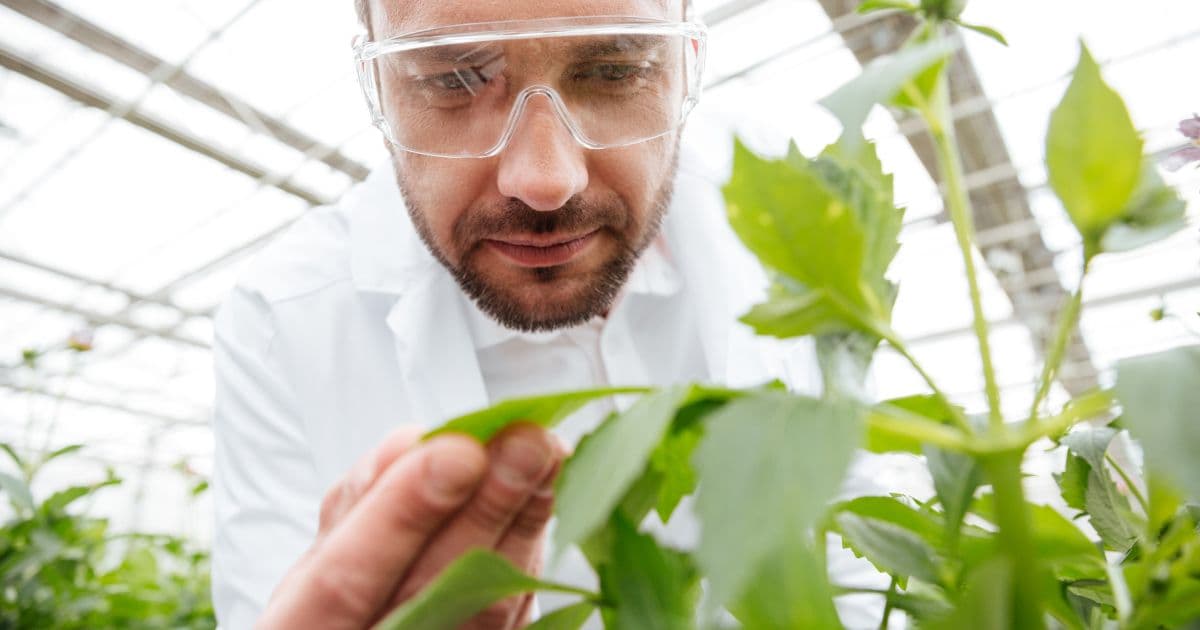
A critical factor that separates top-tier growers is the monitoring of Leaf VPD. Your climate sensors measure the air, but under high-intensity lighting, your leaf surface can be significantly warmer. This means the actual Leaf VPD is higher than your system reports. Periodically using an infrared thermometer to measure leaf surface temperature and adjust your setpoints accordingly is essential for true precision.
Read Full Case Study - Cannabis Farming Simplified By Integrating Indoor Climate Control
VPD Chart for Cannabis: A Strategic Framework
This VPD chart outlines the strategic targets for each phase of cultivation.
Swipe the table sideways to see more →
Cultivation Stage | Strategic VPD Target (kPa) | Agronomic Objective & Rationale |
|---|---|---|
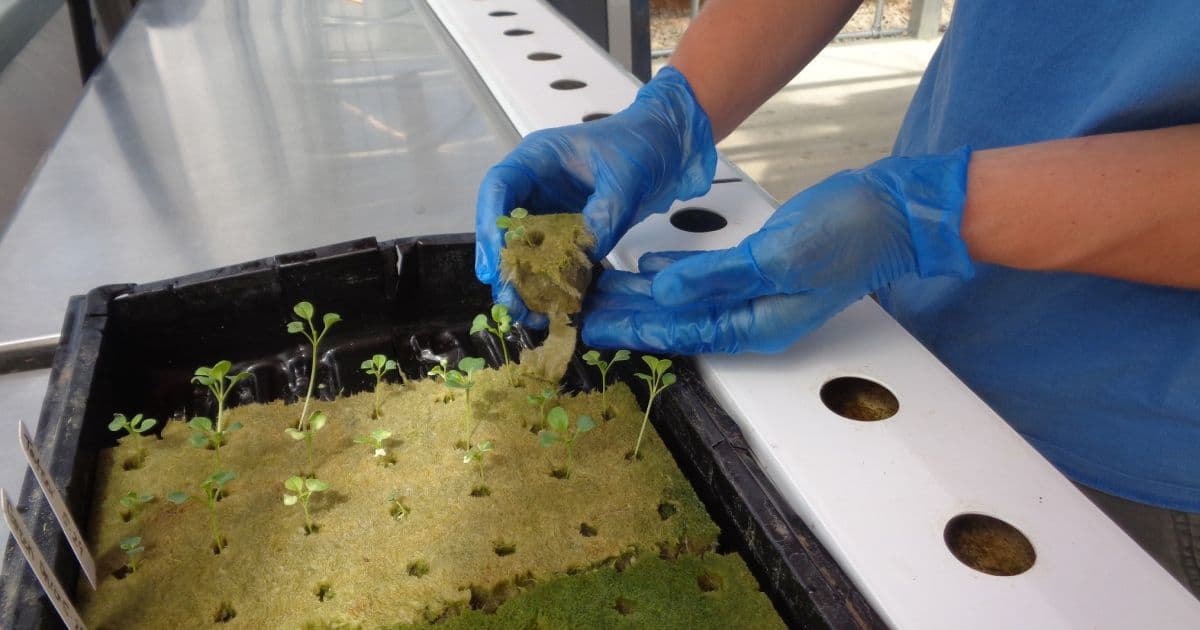
Clones / Propagation | 0.5 - 0.8 kPa | Minimize Stress: Young plants have undeveloped root systems. A lower VPD reduces transpirational demand, preventing desiccation and encouraging energy allocation to root development. |
Early Vegetative | 0.8 - 1.0 kPa | Build Structure: Encourage vigorous transpiration to drive the uptake of water and nitrogen, building a strong canopy and a robust vascular system to support future flower growth. |
Late Vegetative / Early Flower | 1.0 - 1.2 kPa | Transition to Generative: Gradually increase pressure to maintain strong nutrient flow to developing flower sites while preparing the plant for the higher demands of the flowering phase. |
Mid-to-Late Flower | 1.2 - 1.6 kPa | Maximize Quality & Prevent Mold: A higher VPD applies controlled stress, which can enhance secondary metabolite (cannabinoid and terpene) production. Critically, it also creates a less hospitable environment for Botrytis in dense flower colas. |
Frequently Asked Questions about VPD in Cannabis
How does VPD control impact my irrigation strategy?
VPD is a primary driver of your irrigation schedule. A high VPD day means high transpiration, requiring more frequent irrigation "shot sizes" to prevent stressful substrate drybacks. A low VPD day requires the opposite. Your VPD and irrigation strategies must be synchronized.Where is the correct placement for sensors to measure VPD?
Sensors must be placed in aspirated boxes at canopy level to measure the microclimate the plants are actually experiencing. Data from a sensor near a fan or doorway is not representative and will lead to poor control decisions.Is it possible to manage VPD in cannabis without an automated controller?
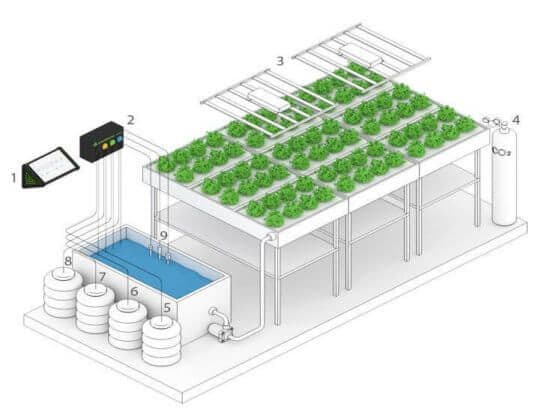
While you can manually influence VPD, achieving the stability required for commercial-scale consistency and quality is nearly impossible. An automated environmental controller that can simultaneously manage temperature and humidity is a fundamental requirement for executing a professional Vapor-Pressure Deficit strategy.
Conclusion: From Climate Control to Crop Optimization
Mastering VPD in cannabis cultivation marks the shift from being a reactive climate manager to a proactive crop performance strategist. By focusing on the direct physiological pressures that govern plant health and development, you can create predictable, repeatable, and profitable outcomes. This approach moves beyond simply growing a crop to manufacturing a consistent, high-quality product at scale, the core objective of every modern CEA enterprise.