Farmer's Guide to Precise Irrigation in 2025
By Noam Dekel, an agronomist with over 15 years of experience in sustainable agriculture and smart farming technology.
Precise irrigation has been a key part of modern agriculture since the late '90s, offering a sustainable and highly efficient way to manage water and improve crop quality. By moving away from traditional, often wasteful, watering and fertigating methods, this tech-driven approach makes sure crops get exactly what they need to thrive. It optimizes growth while cutting down on environmental impact and saving money. This guide will cover what precision irrigation is, how it works, and the best methods and tools out there for today's growers.
What is precise irrigation?
Precise irrigation is an advanced farming practice that uses technology to deliver the exact amount of water and nutrients to crops at the right time and in the right place. Instead of watering an entire field uniformly, this method targets the delivery to the plant's root zone in small, measured doses with the correct water-fertilizer ratio, which is the essence of smart agriculture.
The main goal here is to improve both productivity and sustainability by dealing with the fact that soil and crop water needs can vary a lot across a single field. This approach reduces water waste from evaporation and runoff, saves energy, and lowers costs.
A big part of many precision irrigation system is fertigation, which is just combining fertilization with irrigation. This technique lets you apply nutrients precisely to the root zone, which helps with nutrient uptake, cuts down on fertilizer waste, and protects your soil and groundwater from contamination. By tailoring water and nutrient delivery to what the crop needs at different growth stages, precise irrigation leads to higher yields, better quality produce, and more profit for farmers.
How does precise irrigation work?
Precise irrigation works by tying together data collection tools, analysis software, and advanced irrigation systems to create an efficient, automated watering process that adjusts to changing conditions. The system runs in a constant feedback loop to make sure crops get the ideal amount of water and nutrients.
The process can be broken down into three main stages:
Data Collection: The system gathers real-time information from different sources. This includes soil moisture sensors checking water levels in the ground, weather stations providing data on rain, wind, light, and temperature, and remote sensing tech like drones or satellites that map field conditions and spot areas of crop stress through image analysis.
Data Analysis: This data is sent to specialized software that often uses algorithms, AI, and machine learning to make sense of it all. The software can "see" the exact soil water content for different parts of the field and create a precise watering schedule or "prescription map." For example, automations like GrowDirector use AI-powered intelligence for real-time decision-making and let growers set up automated 'rules' for irrigation and fertigation based on sensor data.
Irrigation Execution: Automated control systems then carry out the irrigation plan, delivering water based on the software's recommendations and the grower’s preset rules. This is done through various precision irrigation systems, including drip irrigation, micro-sprinklers, and center-pivot systems that have Variable Rate Irrigation (VRI) technology, allowing the pivot to change water application rates across different zones in a field.
What is the most precise and efficient irrigation method?
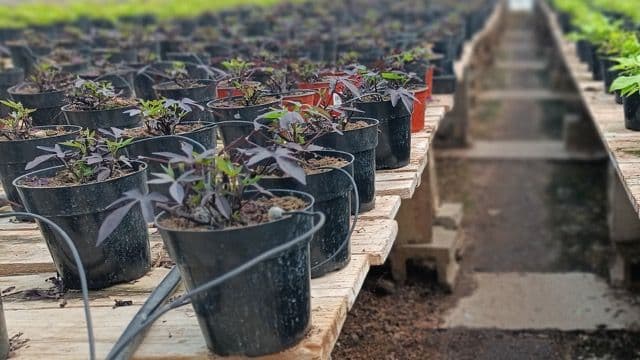
When you look at the different irrigation methods, drip irrigation is widely seen as the most precise and efficient system you can get, and it's also cost-effective. Unlike surface or sprinkler irrigation, which can lose a lot of water, drip irrigation sends water slowly and directly to the root zone of each plant through a network of pipes, tubing, and emitters.
Here is a comparison of the main irrigation methods:
Swipe the table sideways to see more →
Irrigation Method | Efficiency & precise | Advantages | Disadvantages |
|---|---|---|---|
Drip Irrigation | Highest efficiency; extremely precise. | Minimizes water loss to evaporation and runoff; prevents fungal diseases by keeping foliage dry; suppresses weed growth; allows for precise fertigation. | Need to be replaced every two seasons. Need to have more maintenance to check for clogs and open hoses. |
Sprinkler Irrigation | Good for branches and nurseries, helps to chill the temp and covers a large area. | Can be used on various terrains; can be programmed for intermittent watering to maximize absorption. | Vulnerable to water loss from evaporation and wind; can wet foliage, promoting disease. |
Surface Irrigation | Lowest efficiency; least precise. | Low capital investment and energy costs; requires little technical knowledge. | Highly water-intensive; potential for uneven water distribution and contamination spread; can cause soil erosion. |
Farmers find that drip irrigation's ability to target water delivery right where it's needed makes it the clear winner on efficiency. It ensures every drop is used effectively for healthier growth and higher yields while conserving a precious resource.
What are the best smart agriculture machines for precision irrigation system?
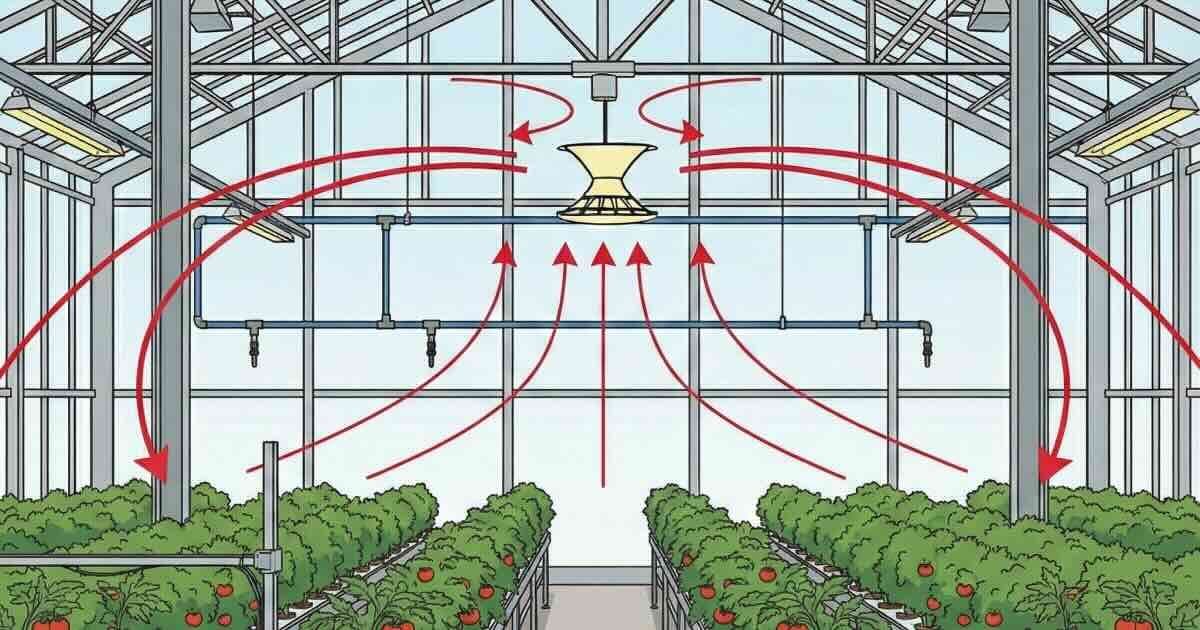
The best smart ag machines for precision irrigation bring together advanced hardware with intelligent software to give farmers complete control over their operations. A key thing to consider is how these technologies work together to automate and fine-tune water delivery, especially in Controlled Environment Agriculture (CEA).
Sensors and Monitoring Tools: These are the data-gathering foundation of any smart system.
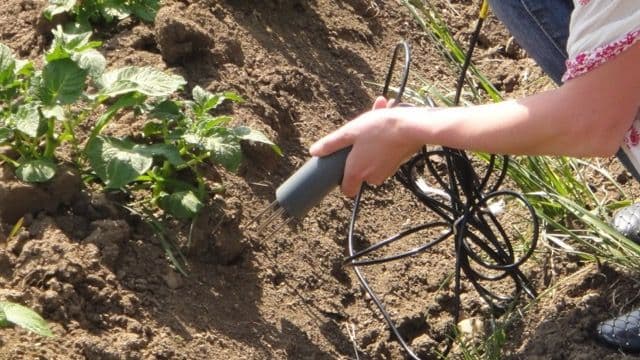
Soil Moisture Sensors: Devices like tensiometers and soil moisture probes give you real-time data on soil moisture, which allows for data-driven irrigation.
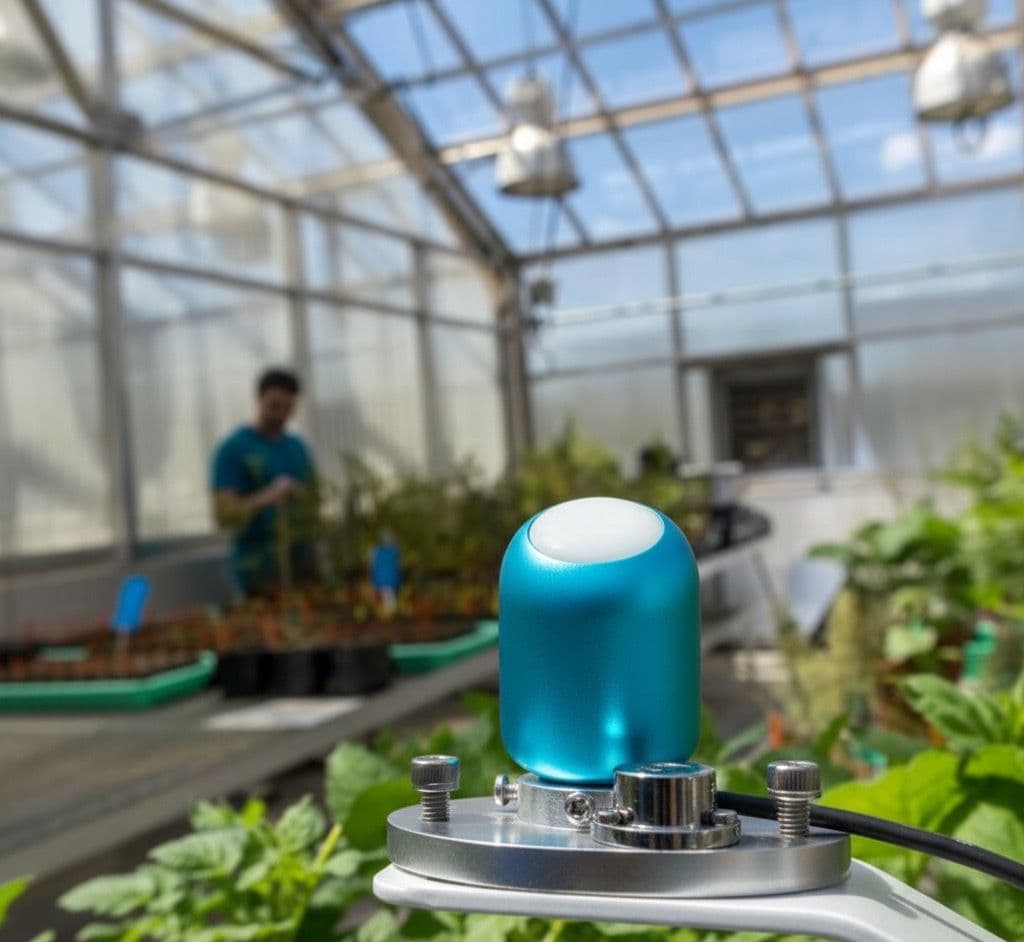
Weather Stations: On-farm stations provide local weather data to help forecast what your crops will need.
Drones and Satellite Imaging: These provide high-resolution imagery to monitor crop health, and drones can be used for precise mapping outdoors.
Irrigation Hardware and Control Systems: This is the equipment that carries out the irrigation plan with precision.
Smart Irrigation Systems: Industry leaders like Netafim offer complete systems, from drip lines to advanced center pivots. Another way to go is offered by GrowDirector, whose modular system is made to integrate right into any existing greenhouse, turning the water pumps and irrigation systems you already own into a modern automated system. This approach means zero downtime and scales up affordably as your operation grows. With its AI-powered intelligence, the system doesn't just work flawlessly - it actively makes the operation smarter.
[Image: Image] — This helps the farmers to improve the yield quality and quantity.
Automated Valves and Flow Meters: Smart valves and meters let you remotely control and monitor water flow, which helps detect leaks and ensure accurate application.
Farm Management and Automation Software: This is the brain of the operation, turning data into actionable guidance.
Remote Management Platforms: Software Operations Centers let farmers monitor and control their precision irrigation systems from a smartphone or computer. Another key player is GrowDirector, whose GrowDirector 4 PRO platform provides a central dashboard for remote monitoring and control. It uses AI-powered intelligence to provide predictive adjustments and agronomic recommendations, ensuring zero system downtime by combining local control with cloud-based access.
By integrating these smart machines and technologies, farmers can build a fully automated and highly efficient precision irrigation system that saves water, cuts costs, and boosts crop yields.